The mannequin has an opinion.
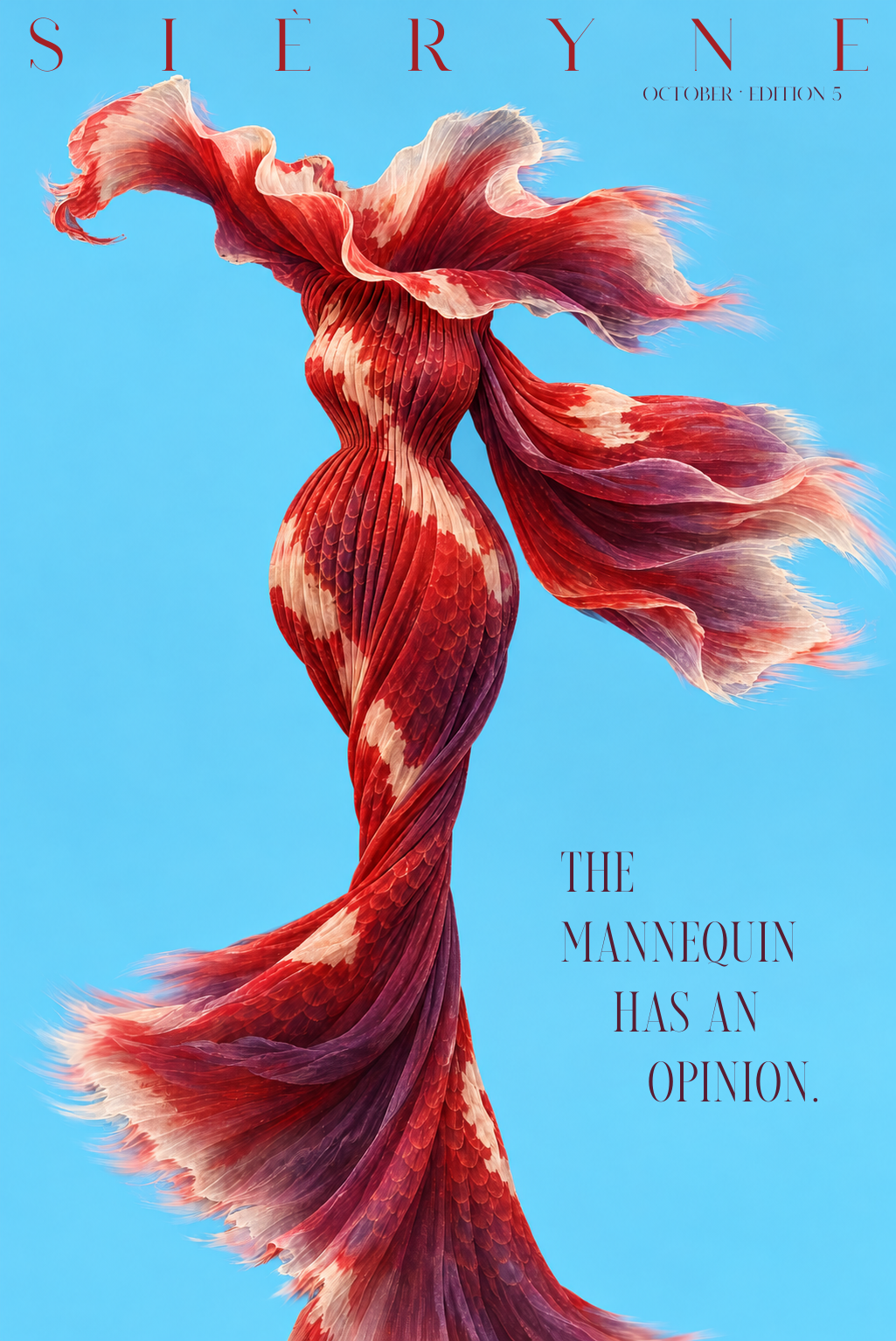
The body beneath a garment helps decide how it is seen. Treat it as part of the art direction.
A mannequin can look neutral because its proportions are familiar. Change the body and the garment changes its posture, its drape and the details a viewer notices. The stand has been making editorial decisions all along.
For Costume Art, The Met created eighteen mannequins from nine living participants, alongside a separate figure based on photographs of Goddess Bunny. These figures form part of the exhibition's display, rather than its entire mannequin count. The museum describes the work in its published oral history. The Met's making account.
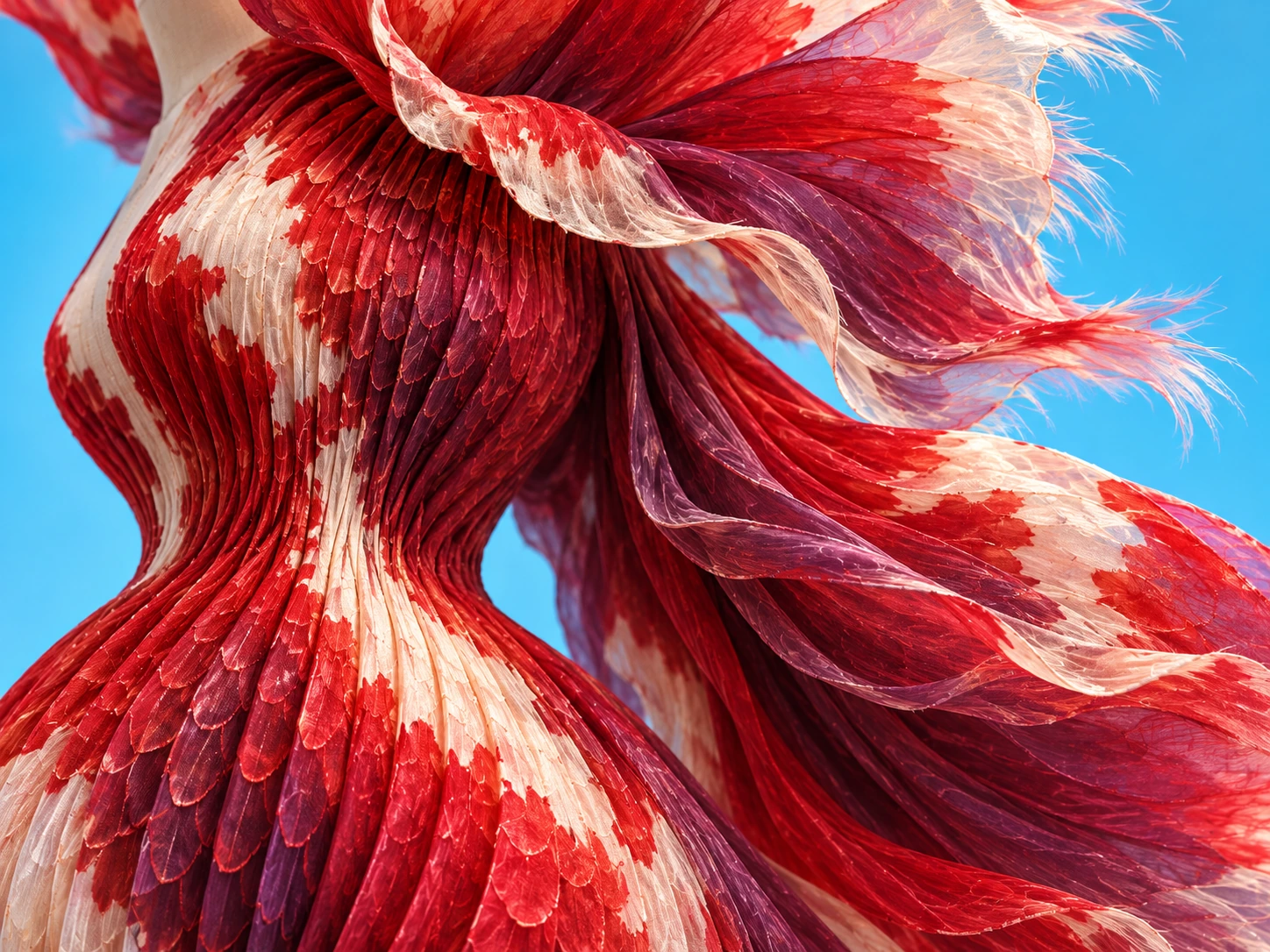
A scan still needs decisions
The account explains why the figures needed adjustment before they could hold the clothes. Space between an arm and the torso affects whether a garment can be fitted; limbs and scans require practical interpretation.
That makes the design work visible. Even a figure based on an actual person involves choices about what the display needs to do. The familiar mannequin deserves the same scrutiny as the unusual one.
For a fashion team, the useful question is what a particular body and pose allow the garment to communicate. Which details become clearer? What changes when the same piece is shown on someone else?
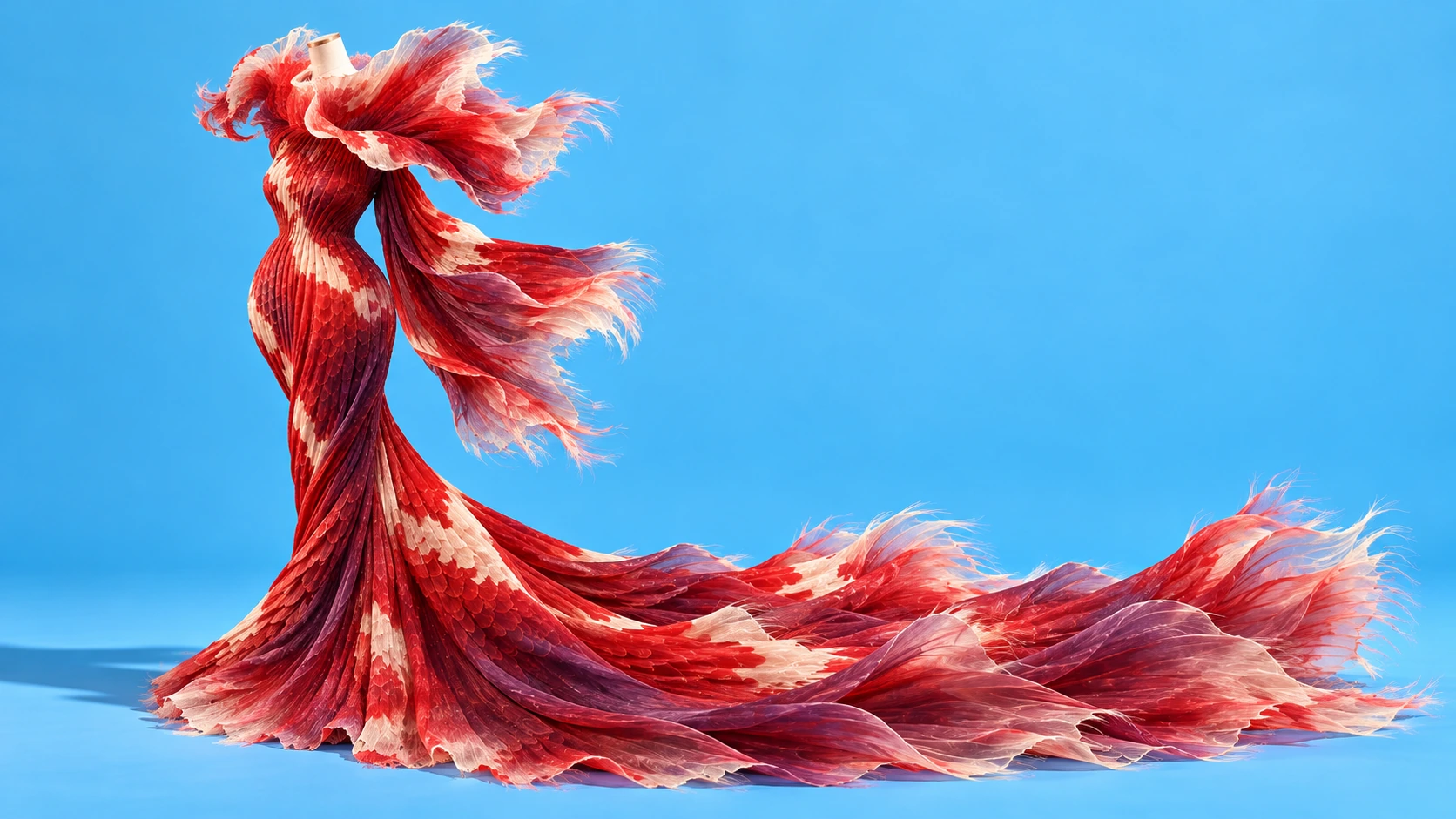
Let the clothes remain interesting
Different bodies should be able to appear without carrying the entire moral of the campaign. A person can wear a beautiful sleeve and leave the audience to look at the sleeve.
That requires care in the framing and copy. If every departure from a familiar silhouette is announced as an extraordinary act of generosity, the presentation keeps reminding the viewer which bodies it considers ordinary.
The Met also acknowledges budget and logistical limits on how many figures could be based on real people. The display offers a specific example to examine, without proving that the wider fashion industry has resolved representation. The Met's account.
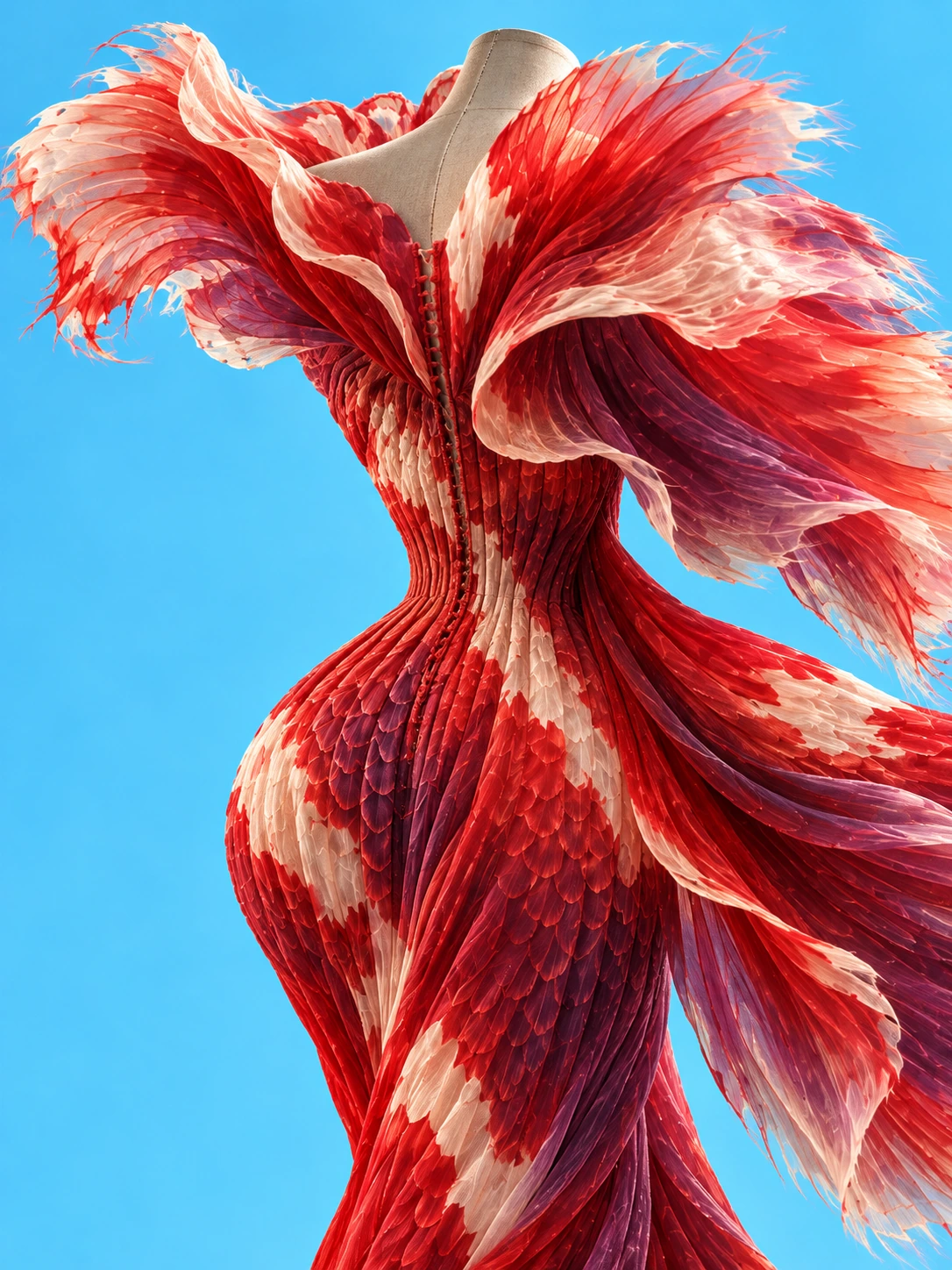
Put the body in the brief
Discuss casting and proportion alongside the garment, setting and camera position. For museum work, conservation and fitting constraints also matter. Distinguish those requirements from a choice that persists because it is familiar.
Before approving the image, look at the shoulder beneath the dress. Ask what the chosen body contributes to the presentation and whether the brief ever gave that decision proper attention.